
High-performing contact centers don’t succeed by accident. In 2026, the difference between average and top-performing operations isn’t about handling more calls or adding more tools—it’s about how well teams connect people, technology, and insight to deliver consistent customer experiences.
Contact centers are operating in a more complex environment than ever before. Customers expect fast, seamless resolution across channels. Agents are balancing higher workloads and more emotionally charged interactions. Leaders are under pressure to improve performance while controlling cost. In this environment, small gaps in process, quality, or visibility quickly turn into repeat contacts, dissatisfaction, and burnout.
In this blog, SQM Group brings together what we consistently see across our research and content: how leading contact centers approach performance, quality, and customer experience in a more connected and intentional way.
How High-Performing Contact Centers Are Preparing for 2026
The following ten best practices reflect what high-performing contact centers are prioritizing as they plan for the year ahead. Rather than reacting to problems after they appear in reports, these organizations focus on building strong foundations, using insight to guide decisions, and reinforcing the behaviors that lead to better outcomes.
1. CCaaS Is Treated as the Operational Backbone
High-performing contact centers view CCaaS (Contact Center as a Service) as the foundation of their operation—not just a system for routing calls. It’s a platform that connects channels, workflows, reporting, and agent experience.
Instead of managing voice, chat, and digital channels separately, leaders focus on how interactions flow from start to finish. When CCaaS is treated as a backbone, it becomes easier to preserve customer context, support omnichannel resolution, and scale improvements as interaction volume and complexity grow.
What separates high performers is how intentionally CCaaS is used. Platform decisions are tied to visibility, flexibility, and long-term performance—not just uptime or call handling. When CCaaS is treated as “just infrastructure,” organizations often layer disconnected tools on top, creating silos and blind spots. High-performing contact centers avoid this by ensuring CCaaS is the system everything else connects to.

2. Omnichannel Is Designed Around Resolution
Offering more channels doesn’t automatically improve customer experience. High-performing contact centers design omnichannel support around resolving the customer’s issue, not simply being available everywhere.
This is most noticeable when customers switch channels. In weaker setups, customers repeat information, lose progress, or start over entirely. High-performing contact centers actively identify where these breakdowns occur and redesign handoffs to eliminate friction.
Resolution-focused omnichannel design reduces customer effort and internal rework. When customers don’t need to re-explain themselves, agents are more effective, handle time stabilizes naturally, and repeat contacts decline without forcing stricter controls.

3. Dashboards Are Built for Real-Time Decisions
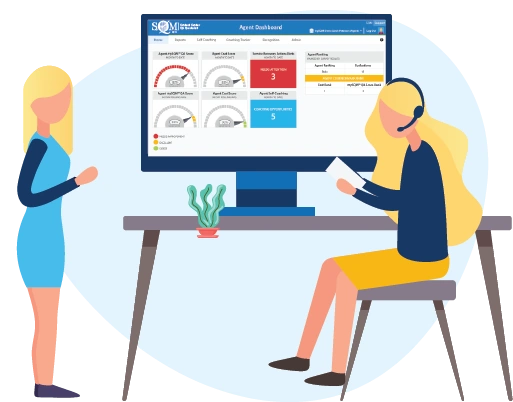
High-performing contact centers don’t rely on dashboards that only explain what happened last week or last month. They use dashboards to guide decisions while work is happening.
Real-time visibility helps leaders spot early warning signs—such as rising repeat contacts, dips in quality, or shifts in customer sentiment—and take action before those issues spread. Dashboards become everyday tools for supervisors, not reports reviewed after the fact.
Strong dashboards are also focused dashboards. High performers avoid overwhelming leaders with too many metrics. Instead, they prioritize the indicators that actually drive outcomes, allowing leaders to quickly answer one key question: What needs attention right now—and why?
4. Quality Assurance Blends Human Judgment With Automation
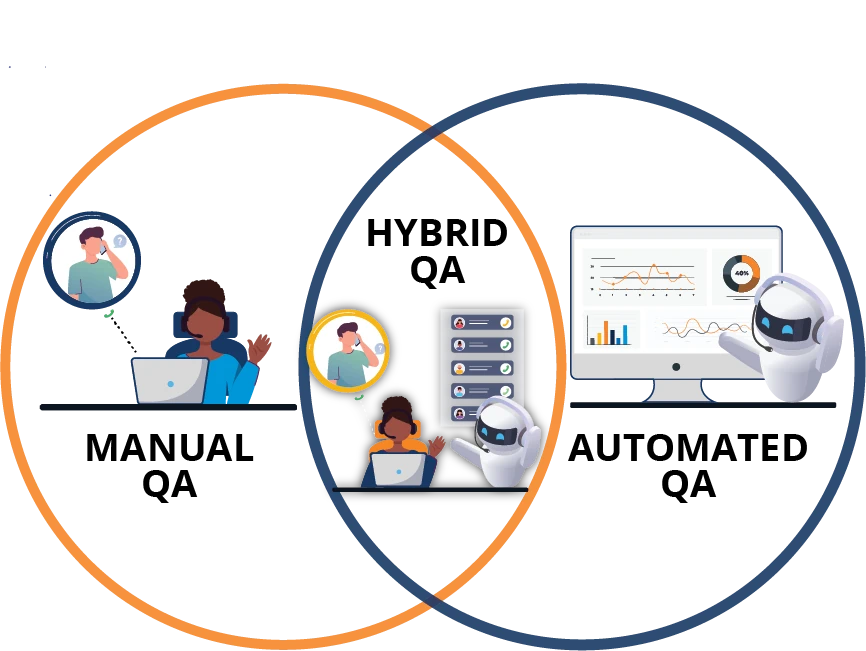
Quality assurance works best when people and technology support each other. Manual QA brings context, judgment, and coaching insight. Automated QA brings scale, consistency, and broader visibility across interactions.
SQM blends manual QA with Auto QA to help contact centers improve accuracy, expand coverage, and uncover patterns that would be difficult to detect through sampling alone. Automated QA surfaces trends and potential risk areas across large volumes of interactions, while human evaluators interpret results and support meaningful coaching conversations.
This blended approach helps contact centers avoid common pitfalls. Sampling alone can miss widespread issues, while automation alone can lack nuance. High-performing contact centers use automation to guide focus—and human insight to drive improvement.
5. Benchmarking Provides Context for Improvement
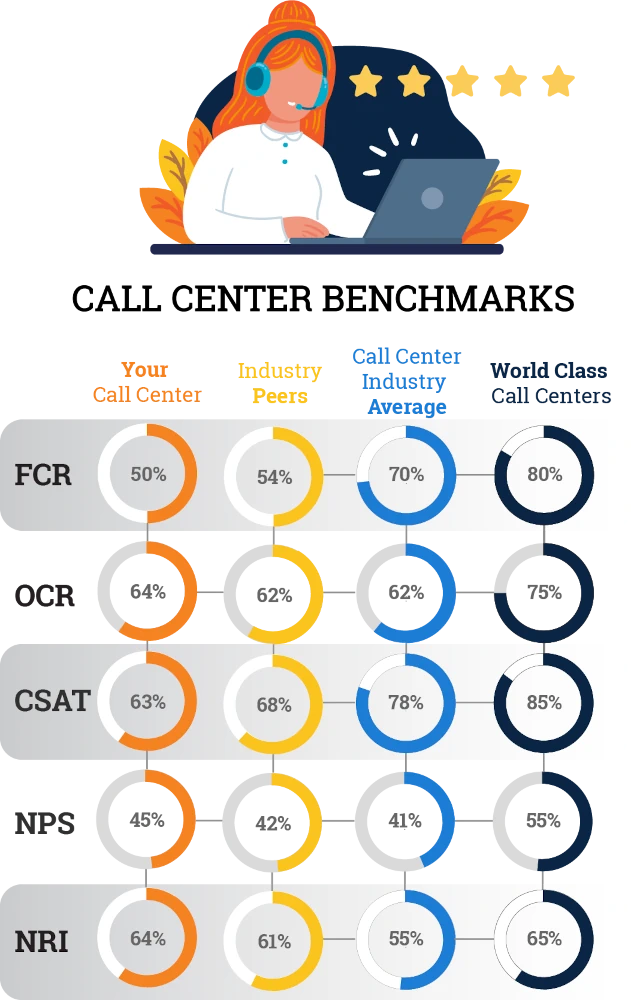
High-performing contact centers don’t evaluate performance in isolation. Internal trends may show improvement, but they don’t always answer a critical question: Is this actually good—or just better than before?
Benchmarking adds context. By comparing performance against peer contact centers, leaders can understand where they truly stand and which gaps matter most. This helps teams prioritize improvement efforts instead of reacting to every internal fluctuation.
Benchmarking also creates alignment. When leaders understand what “good” looks like externally, conversations shift from opinion-based debates to data-informed decisions about where to invest time and resources.
6. Post-Call CSAT Is Predicted, Not Just Measured
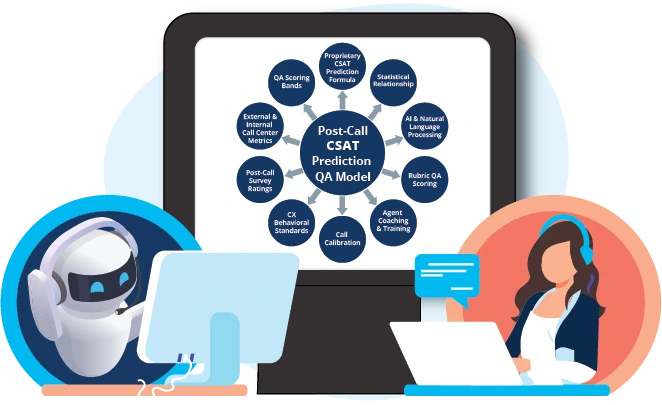
Post-call surveys capture feedback from only a small portion of customers—and often after the moment has passed. High-performing contact centers go further by using post-call CSAT prediction.
This approach estimates customer satisfaction for every interaction based on conversational behavior and quality signals. SQM’s Post-Call CSAT Prediction model helps teams identify dissatisfied customers even when no survey is completed.
This matters because dissatisfied customers are often the least likely to respond to surveys. Predictive CSAT fills that gap, giving leaders earlier visibility into risk areas and allowing them to intervene before dissatisfaction turns into repeat contacts or churn.
7. AI Is Used Where It Adds Real Value
High-performing contact centers use Artificial Intelligence (AI) with purpose. Rather than chasing automation for its own sake, they apply AI where it clearly improves insight, consistency, or efficiency.
Common use cases include identifying trends across interactions, supporting quality analysis, and helping leaders make faster, more informed decisions. AI is used to support people, not replace them—especially in complex or emotional customer conversations.
When AI is deployed without a clear role, it can create noise and mistrust. High performers stay focused on practical outcomes and ensure AI insights are explainable and actionable.

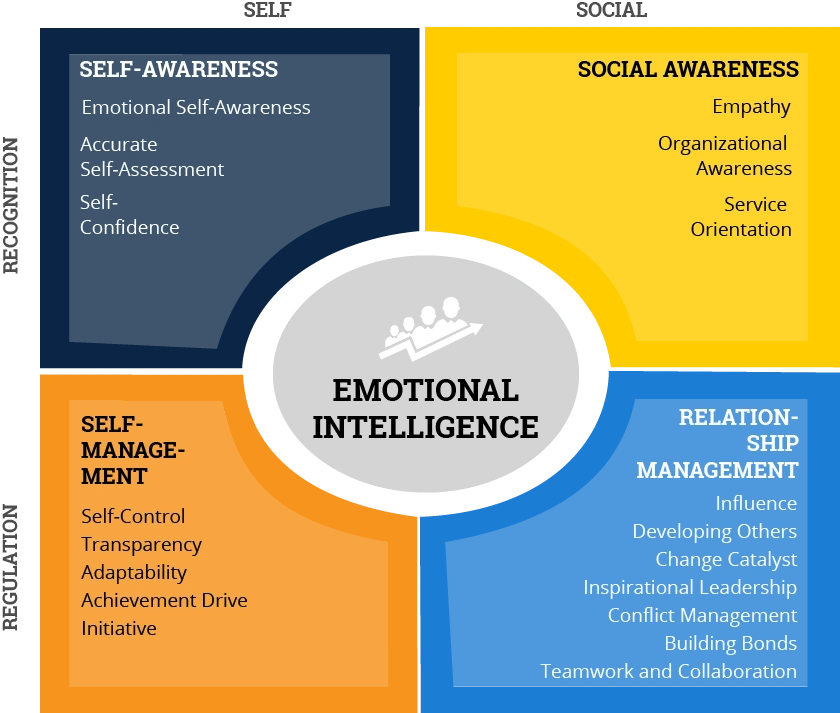
8. Emotional Intelligence Is Actively Coached
Great customer experiences depend on more than correct answers. They depend on how agents handle emotion, uncertainty, and difficult situations.
High-performing contact centers treat emotional intelligence as a coachable skill. Agents are trained to recognize emotional cues, respond with empathy, and adjust their communication style based on the situation—not just the script.
This focus improves trust and de-escalation, especially in high-stress interactions. Over time, emotional intelligence becomes a differentiator that customers notice—even when outcomes aren’t perfect.
9. Engagement Is Treated as a Performance Driver
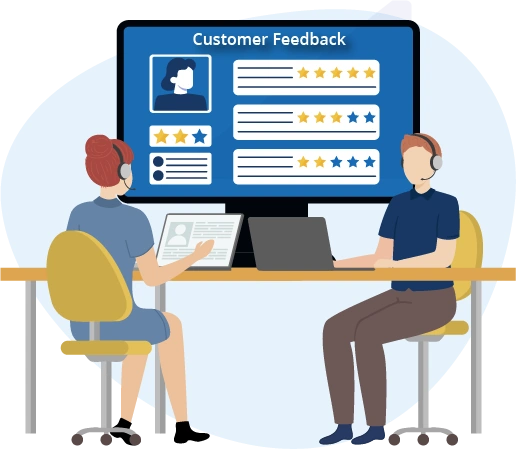
Engagement isn’t just about morale—it directly affects performance. Disengaged agents are more likely to rush interactions, miss cues, and create rework that drives repeat contacts.
High-performing contact centers reduce unnecessary friction by clarifying expectations, minimizing manual effort, and giving agents better visibility into their performance. When agents feel supported and informed, consistency becomes easier to sustain.
Engagement is managed intentionally, not assumed. Leaders recognize that performance follows clarity, support, and trust.
10. Recognition Reinforces the Right Behaviors
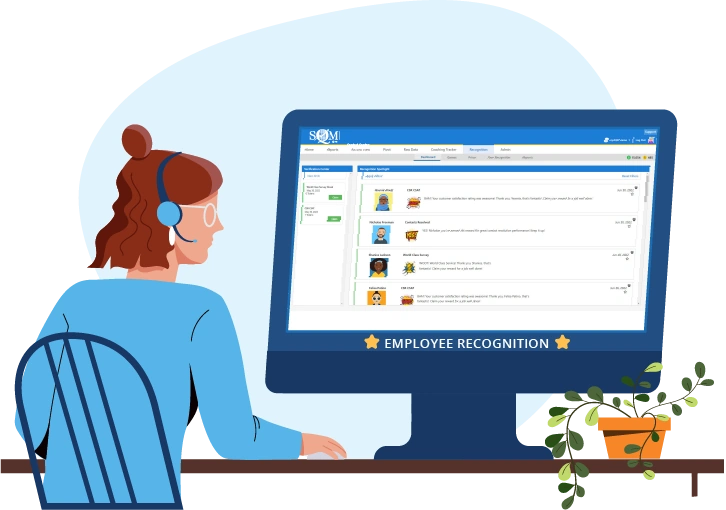
Recognition programs in high-performing contact centers are aligned with behaviors that matter most. Instead of rewarding speed or volume alone, leaders recognize actions such as strong listening, clear explanations, emotional intelligence, and complete resolution.
When recognition is tied to quality behaviors, it sends a clear message about what “good” looks like. Agents are more likely to repeat the behaviors that lead to positive outcomes, and performance becomes more consistent across teams—not just among top performers.
This is why many high-performing contact centers formalize recognition rather than leaving it informal or ad hoc. SQM’s Recognition Program is designed to support this approach by helping organizations recognize and reward agents and teams based on meaningful performance behaviors and customer experience outcomes. When recognition is connected to quality, engagement improves and positive behaviors are reinforced in a way that lasts.
Bringing These Practices Together
High-performing contact centers succeed by connecting technology, insight, and people—not treating them as separate initiatives. When quality programs, dashboards, benchmarking, AI, and customer insight work together, leaders gain the clarity needed to act earlier and coach more effectively.
SQM supports this approach through Auto QA, benchmarking, real-time dashboards, and post-call CSAT prediction, helping contact centers understand what’s happening across interactions and where improvement efforts will have the greatest impact.
Want to see how these practices apply to your operation? Explore SQM’s Auto QA with a 14-day free trial valued at $75k, and gain deeper insight into quality, performance, and customer experience.